
On the Future of Healthcare Innovation
By Kishau Rogers
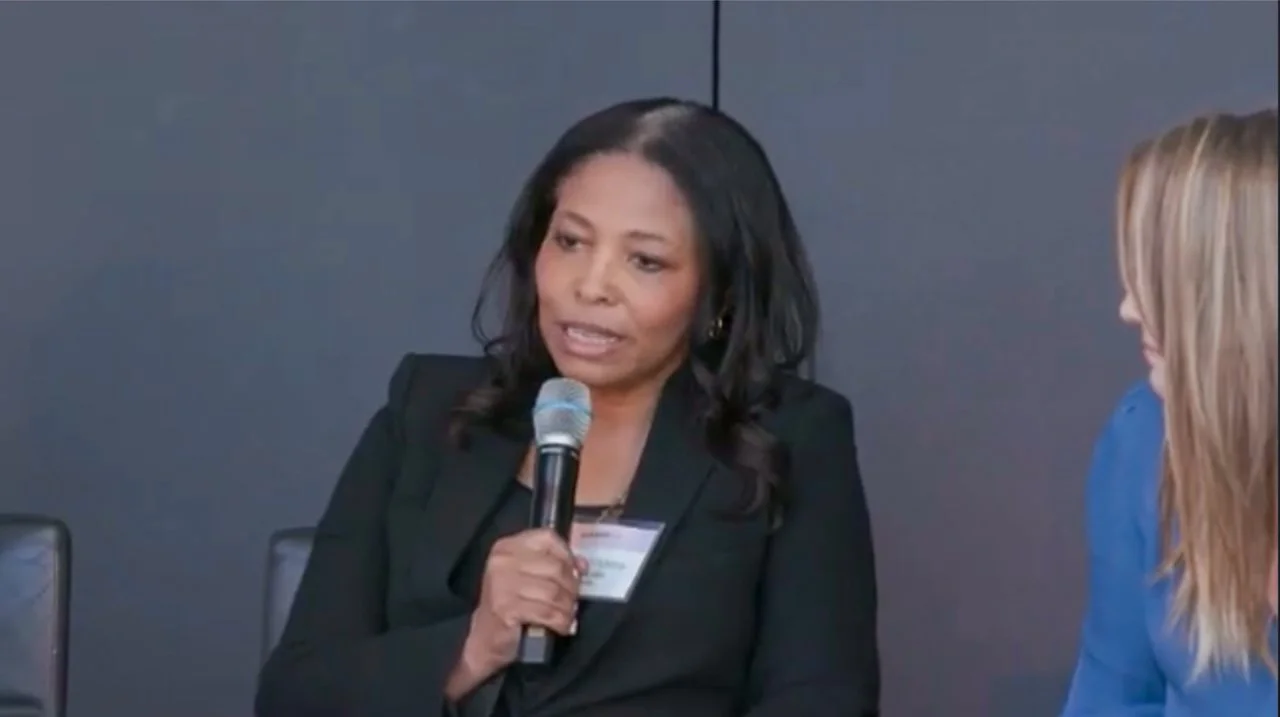
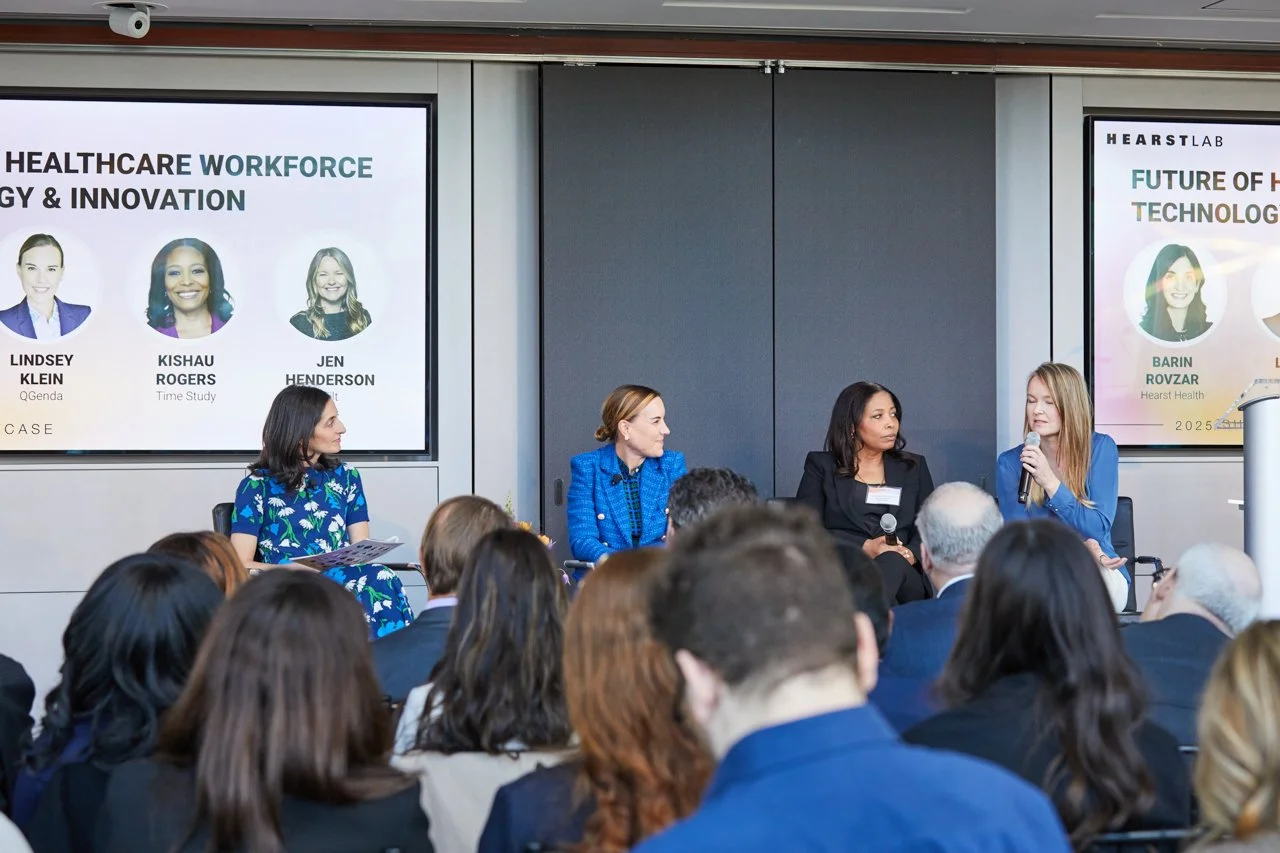
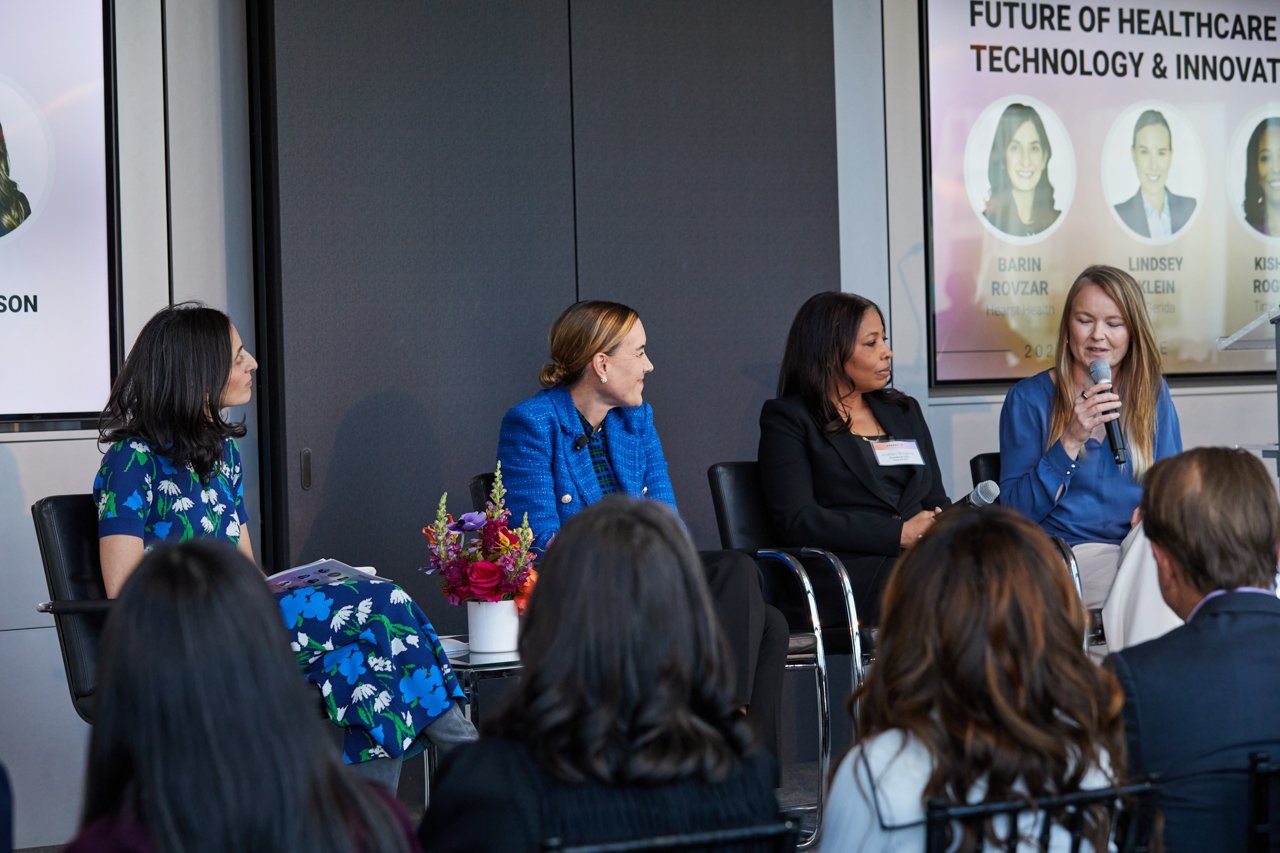
I had the opportunity to share thoughts on innovation and the hidden cost of time in complex systems while representing Time Study at the HearstLab Showcase on the “Healthcare & Employee Workforce Innovation” panel, alongsideLindsey Klein (QGenda),Jennifer Henderson (TilT), and moderator Barin Nahvi Rovzar (Hearst Health).
We explored one key question: What makes understanding how healthcare workers spend their time uniquely important in this industry? Below are the perspectives I shared during the discussion.
Key Challenges I Raised During the Panel Discussion
Small shifts in administrative time can create big ripple effects across already overburdened teams. I believe the impact of a solution is not only measured by what it can do, but also by how well it can integrate into an already burdened system.
Healthcare requires a constant balance between financial accountability, regulatory compliance, health outcomes, and workforce effectiveness. More precise time data is essential for compliance, reimbursement, and accurate workforce insights, especially in high-acuity areas like transplant.
A high return that ignores workforce impact can lead to long-term issues like burnout and retention challenges. ROI should account for both financial outcomes and the sustainability of the workforce experience.
My Perspective on the Future of Healthcare Innovation:
There is no shortage of data. What is needed is context and context-aware insights.
Leading organizations will invest in DataOps and AI-ready pipelines to make data more usable and impactful.
Building an innovation muscle requires sandboxes and safe spaces to test new ideas without disrupting mission-critical work.
Breaking down silos will unlock smarter solutions. Technical silos often reflect operational ones. More connected teams lead to more connected systems.
Innovation in healthcare isn’t just about leveraging new technologies. It’s about understanding systems deeply, respecting the people within them, and designing solutions that reduce friction rather than add to it.