
2025 Client Summit: Stories from Clients and Partners
Time studies are one of those things that almost everyone agrees are important, and almost no one enjoys. And for many organizations, particularly in healthcare and other highly regulated industries, they’re still managed using processes that haven’t meaningfully changed in decades.
Over the years, we’ve encountered the same questions from prospective clients:
What are other organizations doing?
How are they handling audits?
How are they improving participation without burnout?
Is anyone actually successful at automating this workflow?
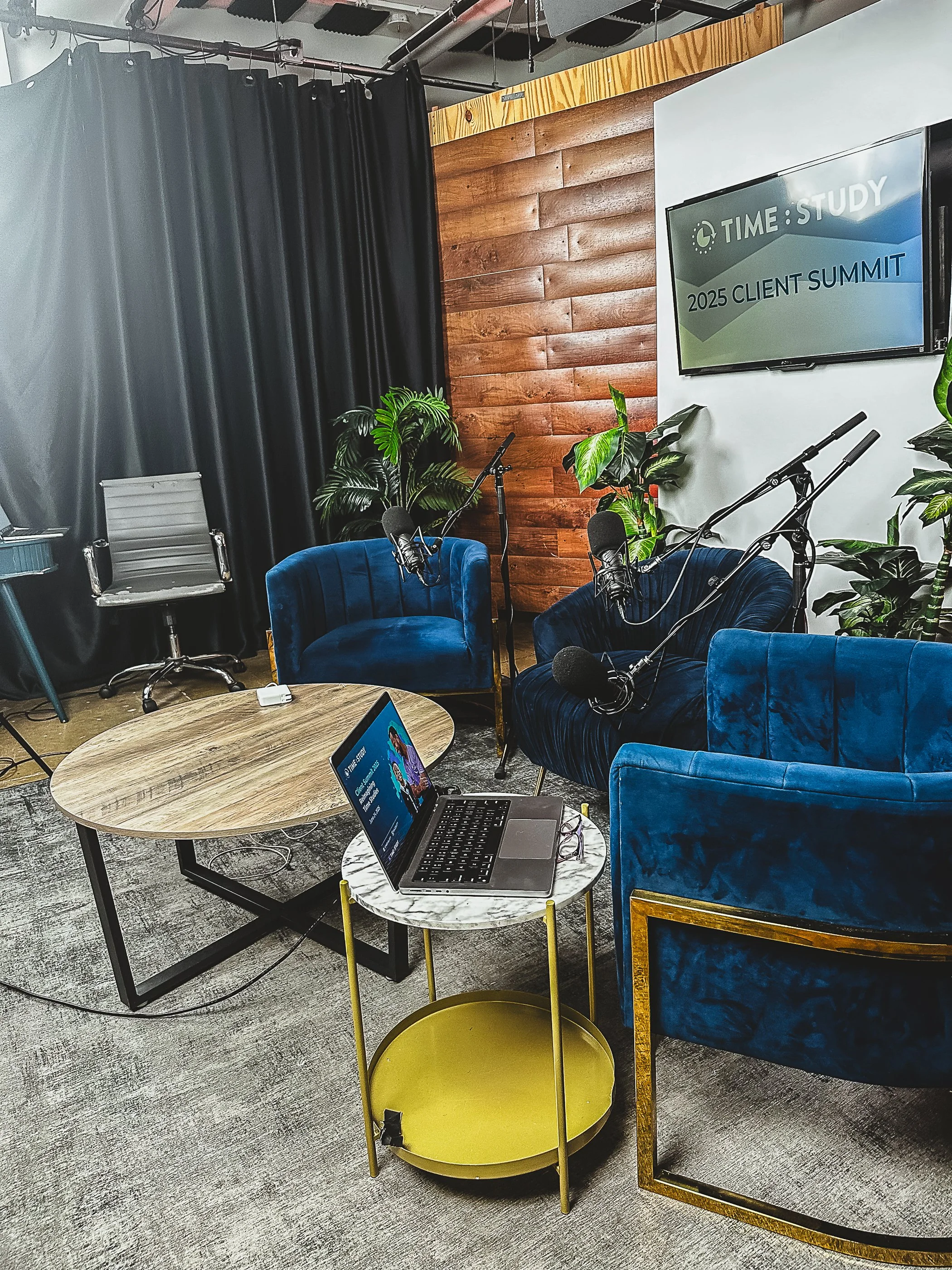
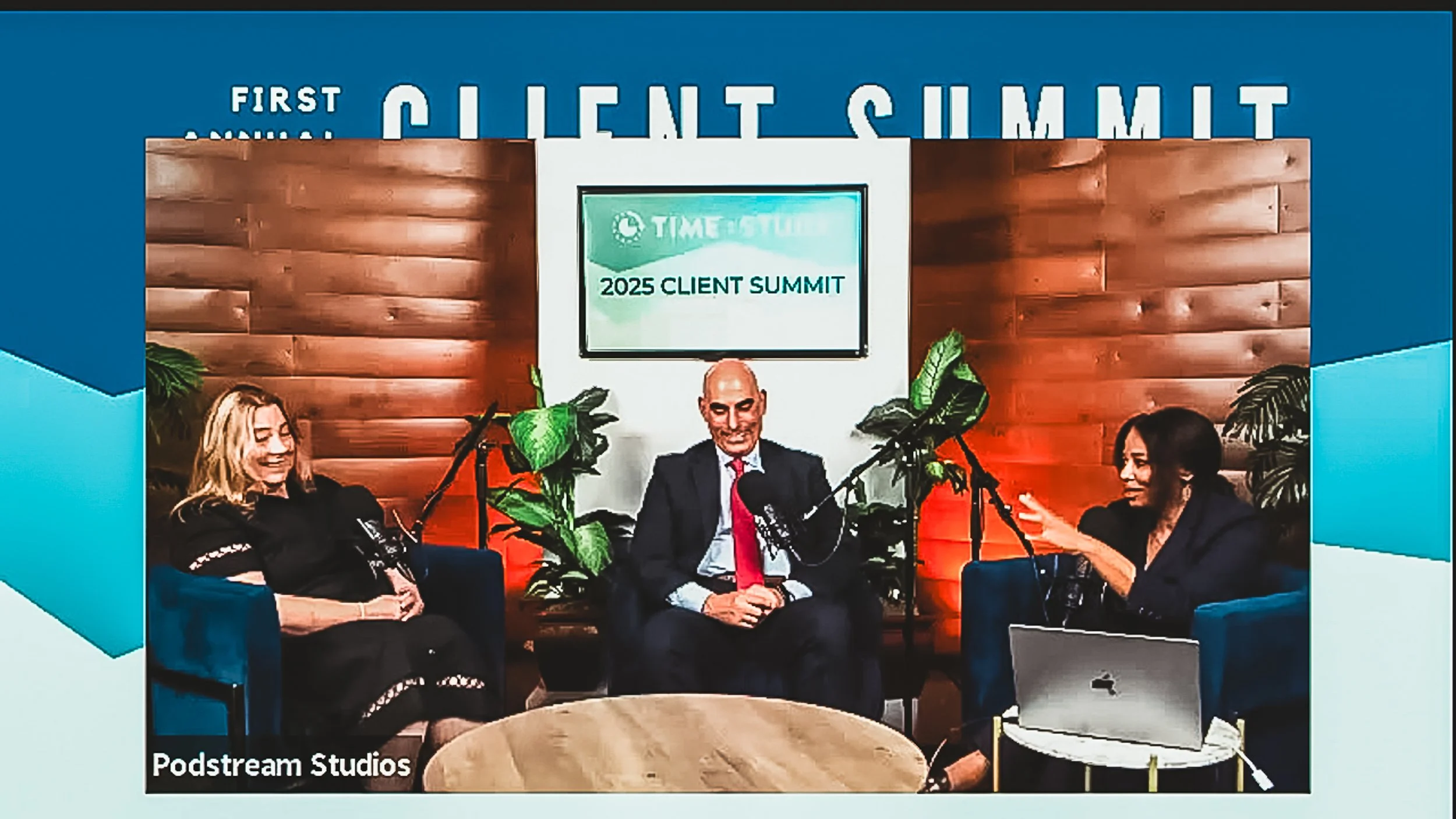
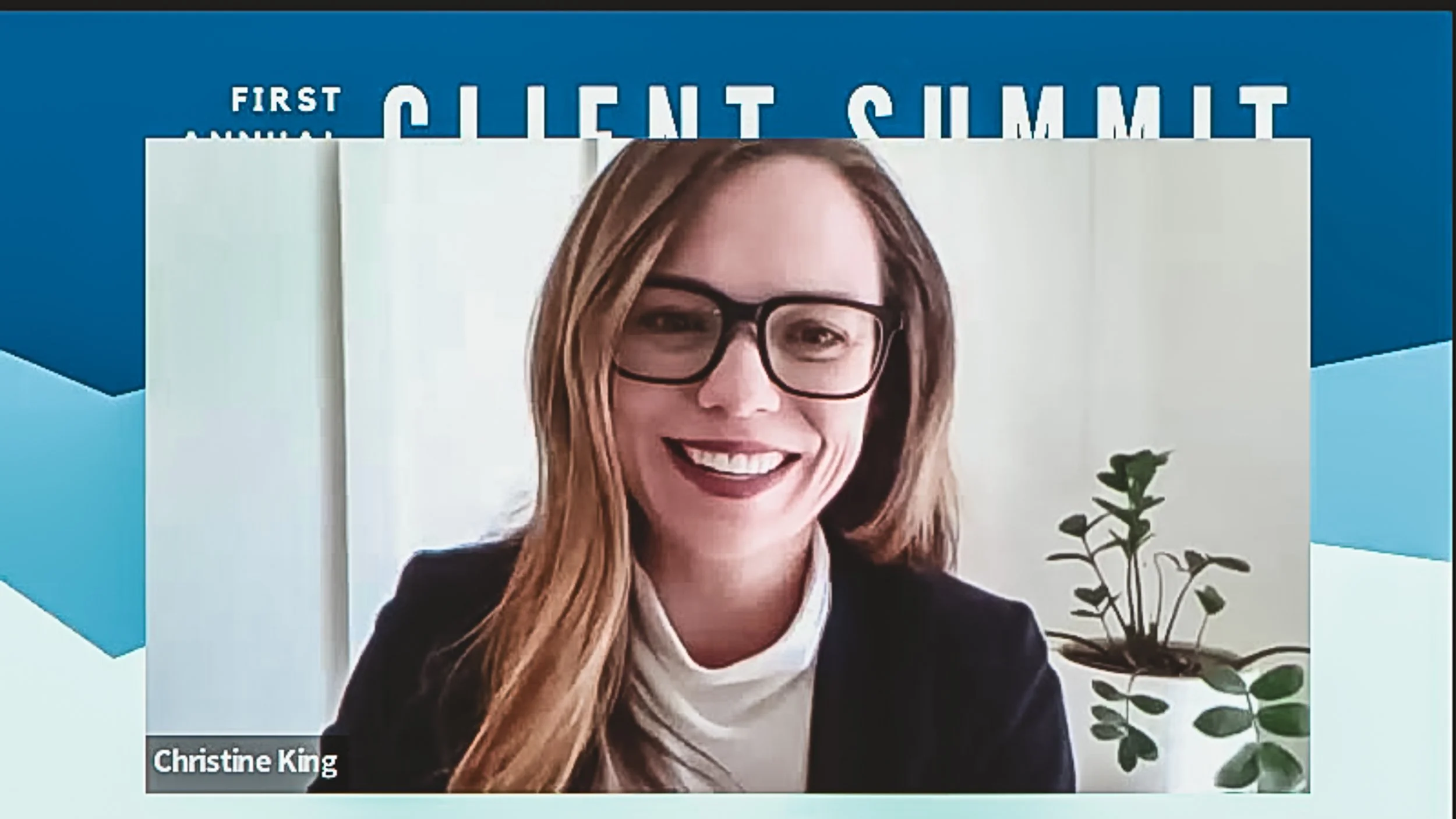
In June 2025, we hosted our first Time Study Client Summit in New York for our healthcare leaders using the platform. We wanted to create a space where clients could hear directly from one another, alongside our partners, and have candid conversations about industry trends and leading practices. This post is a high-level recap of the conversations and reflections shared.
The Financial & Operating Landscape
In the context of time studies used for cost reporting, we heard from partners who support Medicare reimbursement and audit readiness that the environment has changed.
Audit scrutiny has increased.
Documentation expectations are higher.
Disallowances feel less forgiving.
The window of exposure stretches further back than many organizations are comfortable with.
During the summit, leaders shared experiences that echoed what we see across our client base:
Many organizations still rely on spreadsheets or manual workflows, often managed by a small number of people carrying critical institutional knowledge.
Teams scramble during audits to locate documentation that isn’t centralized or easily accessible.
Clinicians are frustrated by processes that feel disconnected from their actual work.
Time Study’s Six Pillars: An Orderly Path Forward
During the summit, we provided an overview of Time Study’s Six Pillars framework, which we shared with clients as a roadmap for how effective time study programs evolve and become more efficient over time.
Pillars 1–4 represent the foundational capabilities we believe all time study programs must get right:
Defining and enforcing clear rules
Reducing friction through smart, time-saving tools
Making relevant insights accessible to the right stakeholders
Proactively ensuring defensibility
Pillars 5-6 are for organizations that want to further evolve their workflows by leveraging existing enterprise data assets and emerging technologies to:
Reduce cognitive overhead and improve accuracy by reducing reliance on recall
Enable interoperability across systems they already use
Apply advanced technologies, where appropriate, to support automation and analysis
This framework reflects what we’ve experience as a leading practice for enterprises and complex organizations.
Safe Spaces for Client Stories
The closed (invite-only) panel discussion created space for participants to share and learn other clients’ stories, lessons and leading practices.
We heard stories related to:
Audit experiences, notably preparation and defensibility
Strategies for improving participation rates while reducing reporting friction
Identifying champions and the role leadership plays in cultural adoption
Other uses for time study data, including contracting, internal benchmarking and staffing conversations
What Comes Next
We look forward to continuing to create spaces for our client community that support shared learning, honest dialogue, and thoughtful exploration of what’s next for time studies. We look forward to building on these conversations and will share more details about our 2026 Client Summit in the months ahead.