
Need a Clearer View of How Distributed Teams Spend Their Time?
Workforce Visibility
When work happens across job sites, regions, client accounts, projects, or remote teams, it can be difficult to understand where time is actually going. Time Study helps organizations collect structured activity data without relying on scattered updates, manual follow-up, or disconnected tools.
19M+
hours studied
+128%
boost in participation rates
+2x-3x
capture of productive hours

Time Studies for Remote, Field & Distributed Teams
What Your Current Process Is Actually Costing You
The problem is not always a lack of data. It is that the data is often scattered across tools, teams, and workflows:
Timesheets, project tools, calendars, CRMs, forms, and spreadsheets may each tell part of the story, but not the full picture
Managers and analysts spend too much time chasing updates, reconciling activity data, or cleaning inconsistent entries
Activity categories are interpreted differently across teams, roles, regions, job sites, or projects
Leaders may not see participation gaps or incomplete data until after the study window closes
Decisions about staffing, productivity, resource allocation, or process improvement are made with limited visibility into how work is actually happening
Existing systems capture pieces of the work, but they are not always structured in a way that supports time study analysis

The Problems Better Time Study Infrastructure Helps Prevent:
More Useful Operational Insight
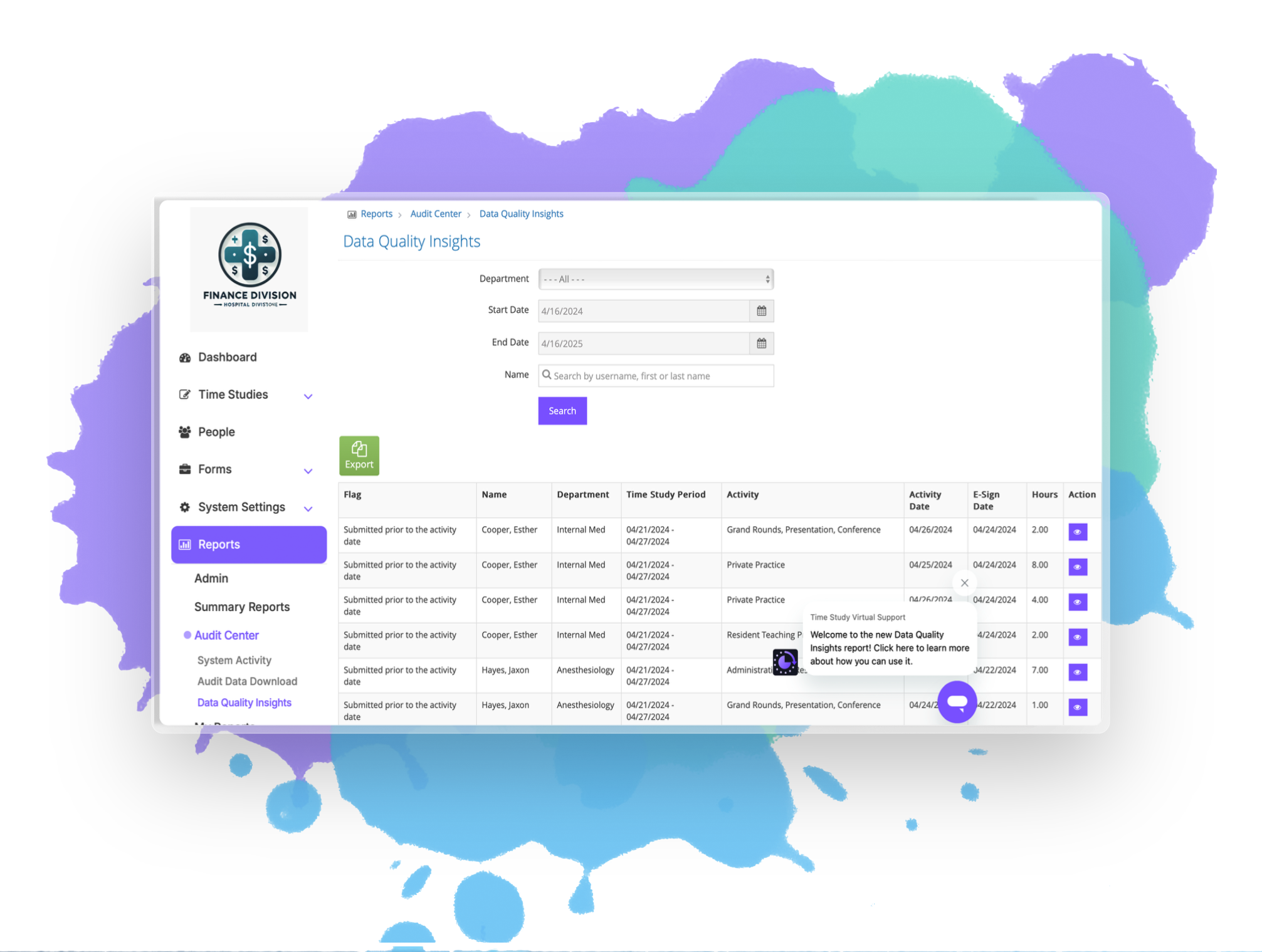
Turn activity data into insight that supports staffing, workload balancing, productivity analysis, process improvement, and resource planning.
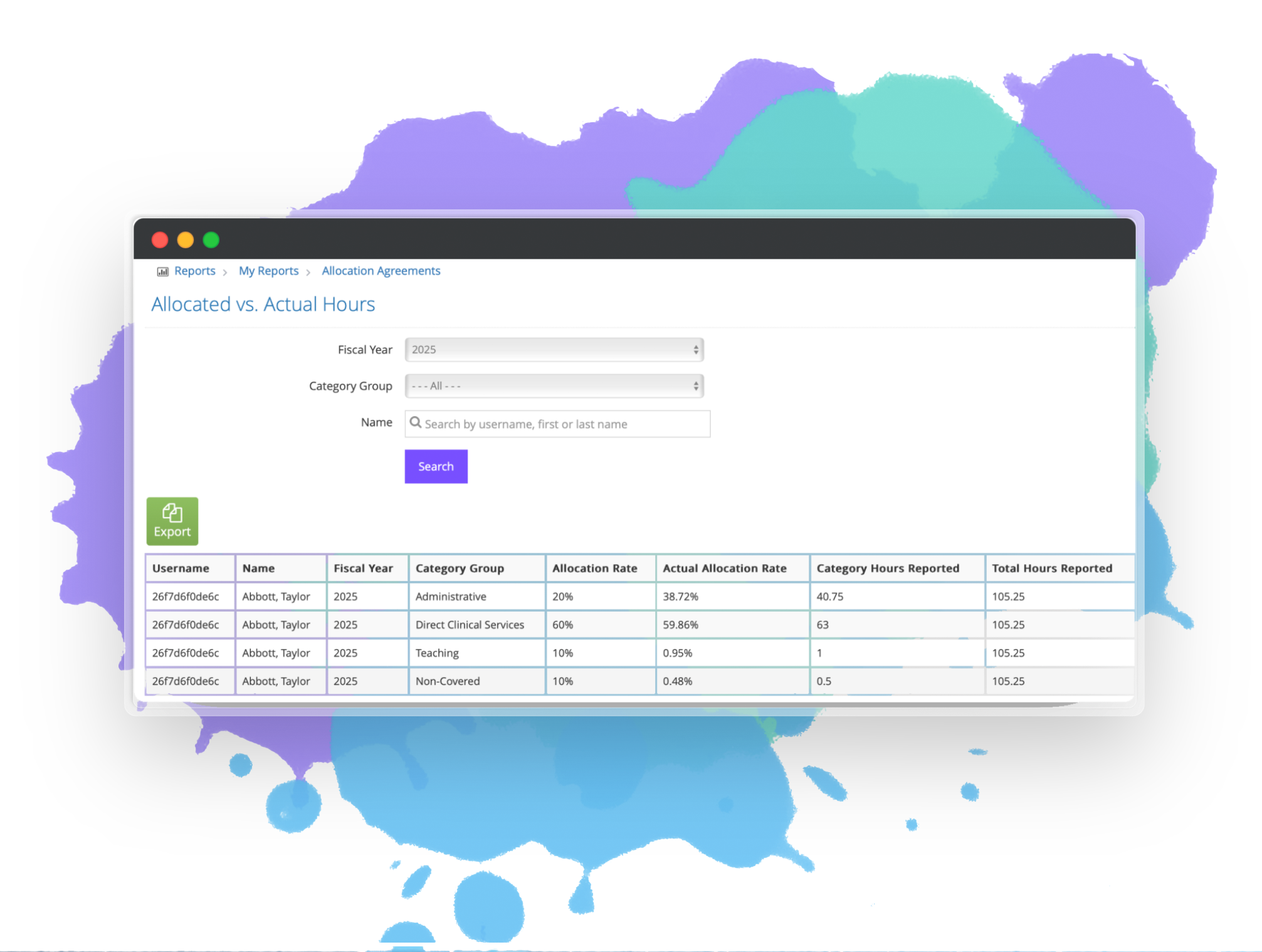
Less Manual Follow-Up
Reduce the need for managers, analysts, or project leads to chase responses, reconcile updates, and clean data before it can be used.
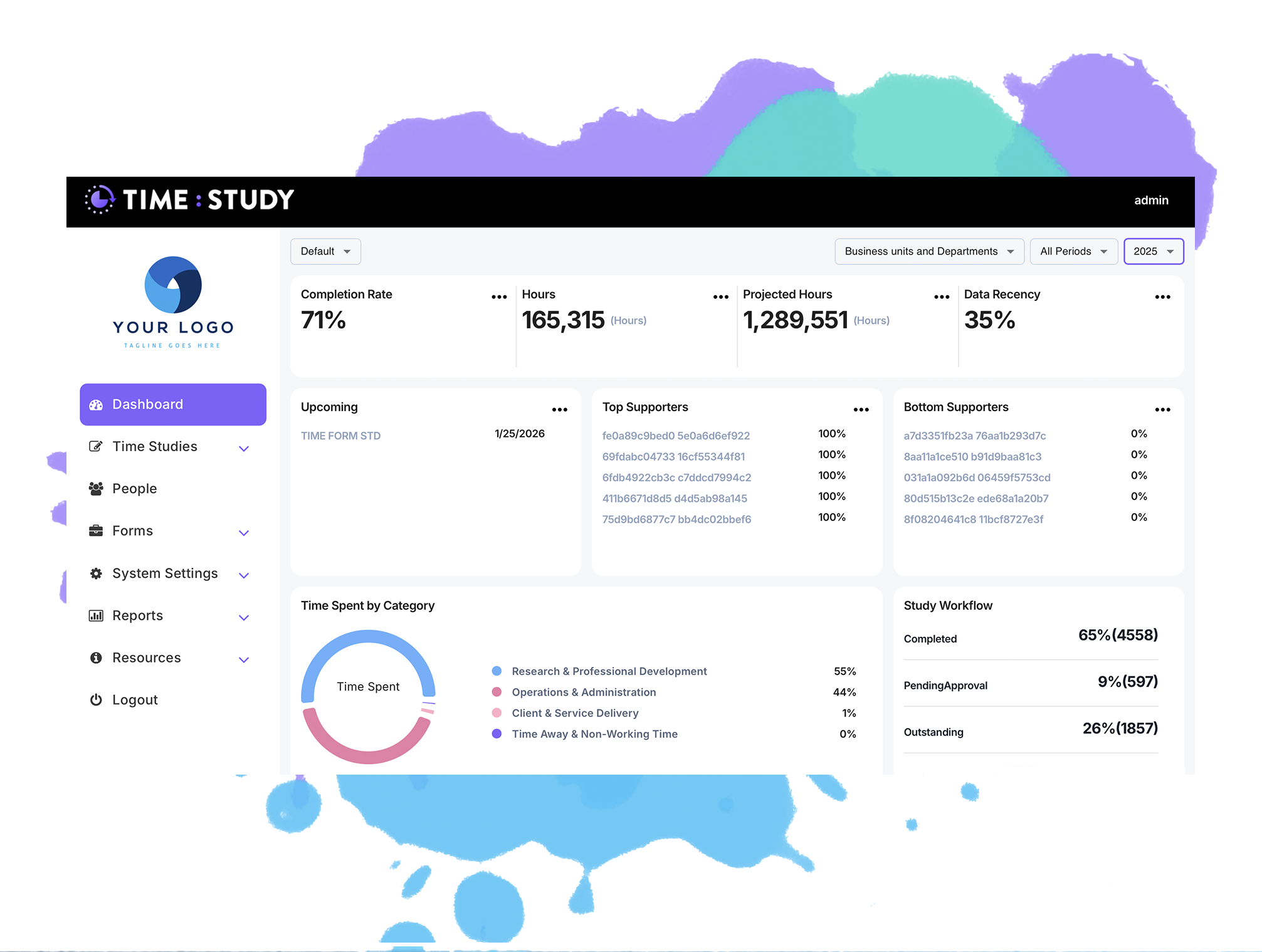
Better Visibility Across Distributed Work
Understand how time is being spent across field teams, remote teams, sales teams, job sites, client accounts, departments, or initiatives.
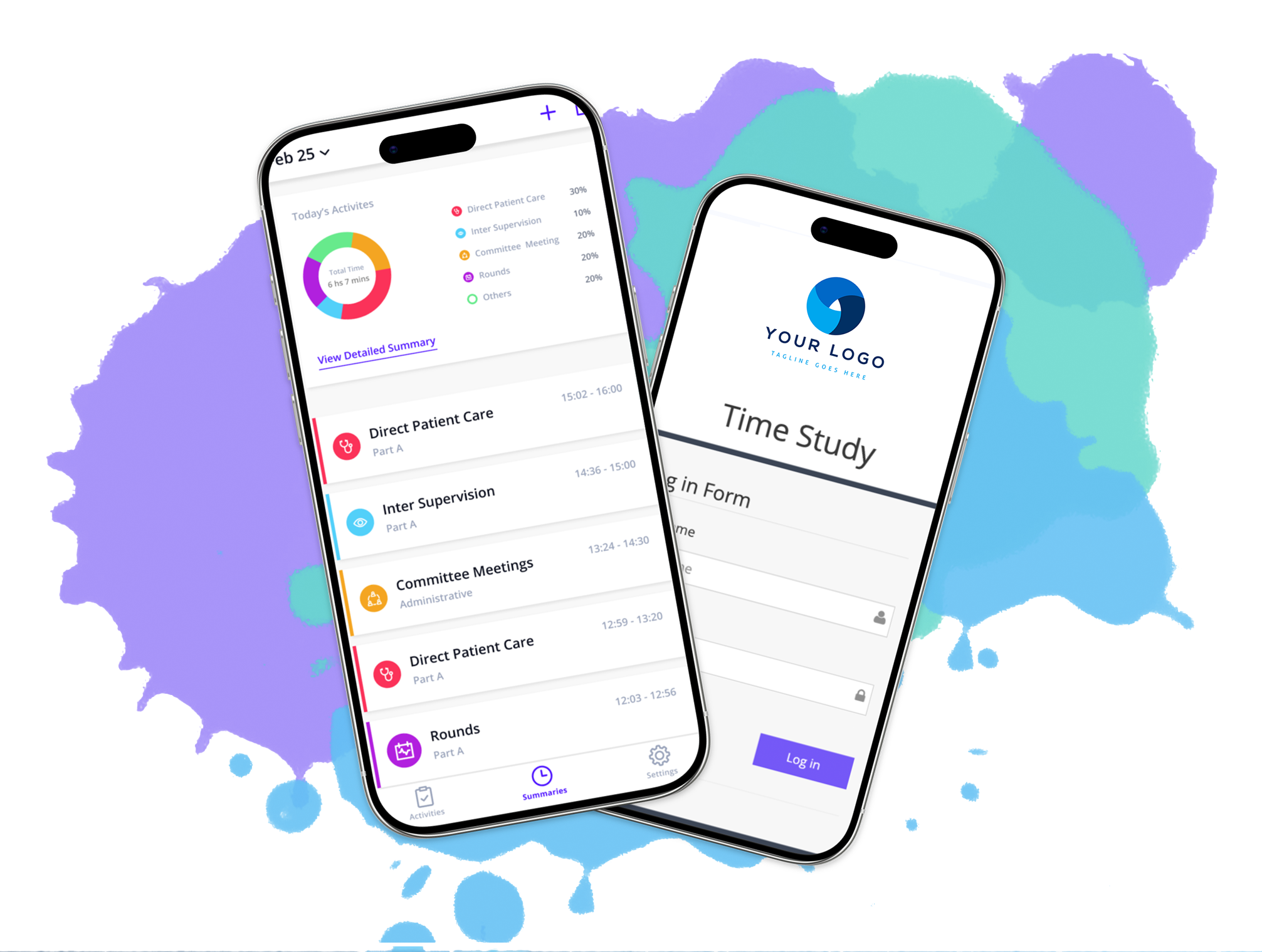
Structured Activity Data
Collect time study data in a consistent format across teams, locations, roles, and projects, so the results are easier to compare, analyze, and act on.

Why It Matters
What Changes When Time Studies Reflect How Work Actually Happens
Leaders get a clearer picture of how time is distributed across roles, teams, locations, projects, and activities.
Operations teams can identify where work is being slowed down by handoffs, administrative tasks, travel, coordination, or other hidden demands.
Managers can make better decisions about staffing, workload, territories, job sites, project support, and resource allocation.
Analytics teams get cleaner, more consistent activity data that can support dashboards, reporting, and operational analysis.
Time studies become more than a one-time data collection exercise. They become a repeatable way to understand how work gets done.
Automating Time Studies Without Adding More Work
See how organizations are using automation and AI to move time studies from manual collection to structured, defensible activity data.