
On Why Healthcare AI Needs Local Context
By Kishau Rogers
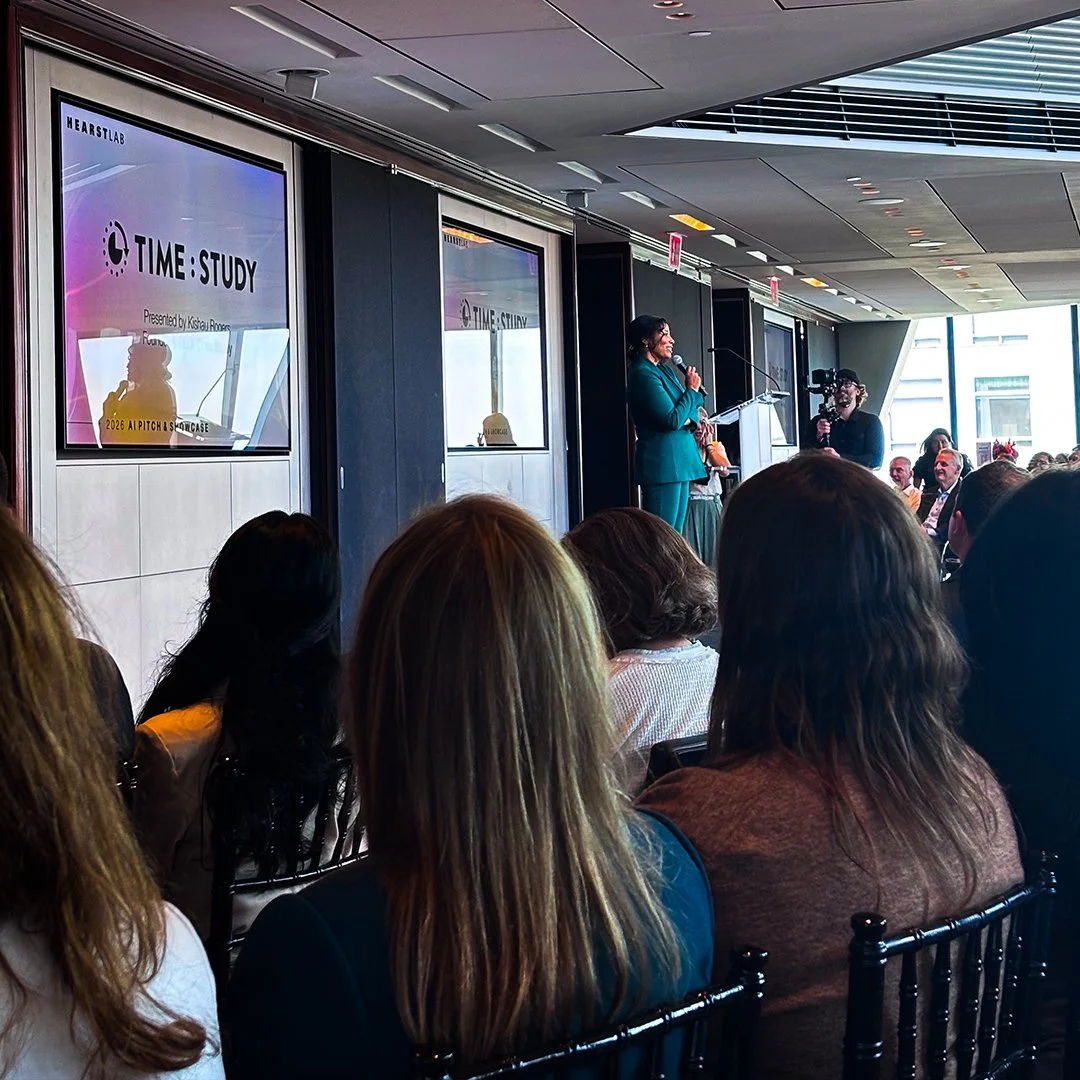
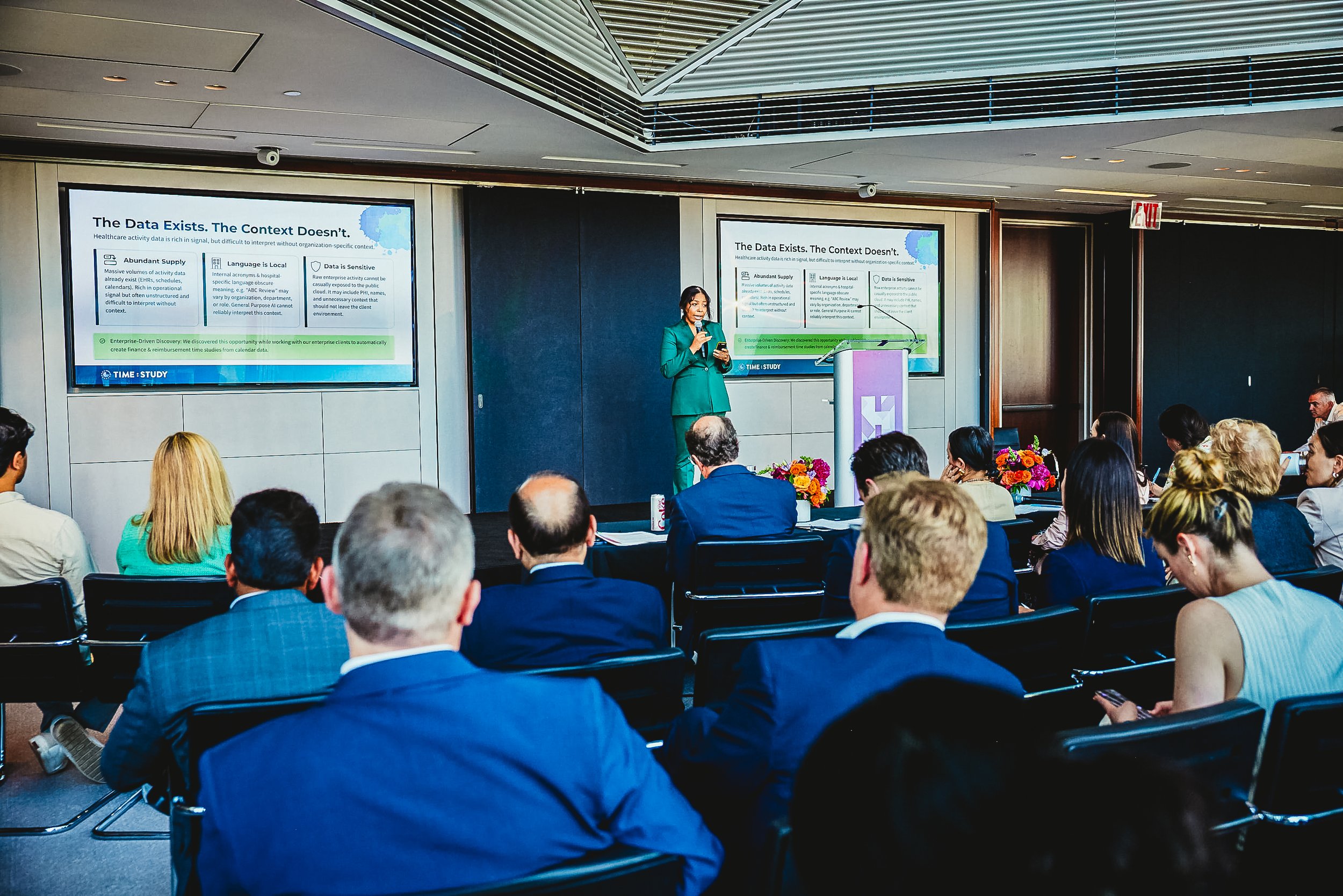
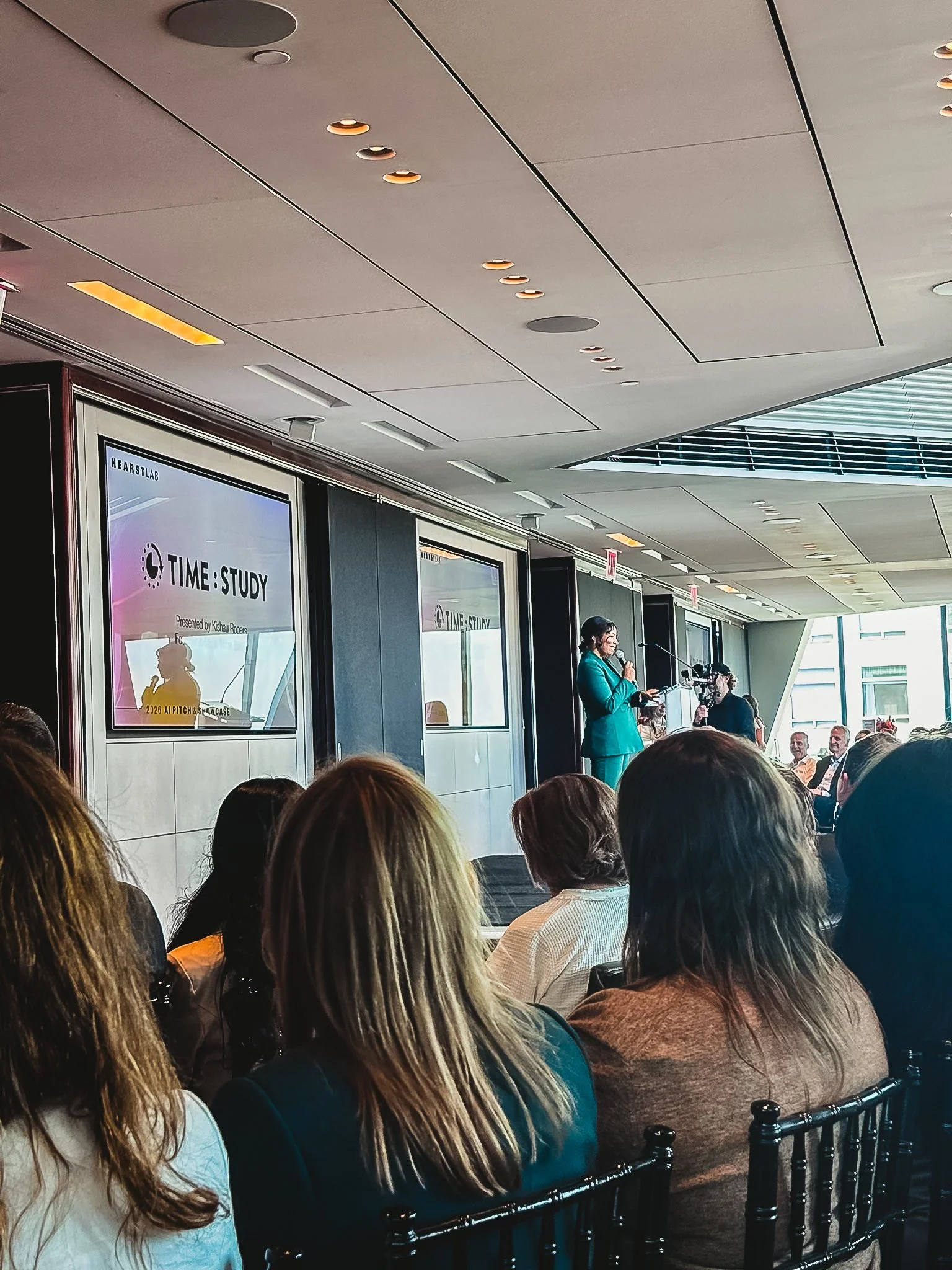
We are drowning in data, yet starving for context. On June 4, 2026, I had the opportunity to represent Time Study at HearstLab’s inaugural AI Showcase, where my presentation focused on an ongoing expansion of our platform: local language models that support more automated healthcare time intelligence.
In the tech industry's current race toward massive scale, it isn’t trendy to promote anything local or small. But in enterprise healthcare, scale matters very little if you lack the localized context to make data useful.
While large language models (LLMs) are exciting (and also useful for certain cases), the future of healthcare operational intelligence depends on context-sensitive, secure, and localized models.
The Friction Between Raw Data and Operational Context, at Scale
At Time Study, our core mission is to automatically transform workforce time data into financial and operational intelligence, with minimal disruption to normal workflows. In 2025, we enhanced our platform to support the use of unstructured data such as calendar inputs to automatically classify complex work activities. Through this work, one lesson has become increasingly clear: accurate classification of work time is rarely just about keywords. To improve accuracy, you often need deeper context.
Workforce Context: If a system wants to accurately determine whether a physician is performing research or a clinical activity, a generic algorithm may struggle in the absence of explicit labels. The machine may require an understanding of the person, their environment, their role, the physical location where the work occurred, or other localized context.
Cultural Context: Language is local. Every hospital system has its own culture, acronyms, and shorthand. A phrase like "ABC Review Mtg" can mean one thing in a specific department at one health system, and something entirely different at a hospital across town. Particularly when classifying time for regulatory or financial purposes, general-purpose AI cannot reliably interpret these activities without more context.
In an ocean of data, more information does not automatically lead to better understanding. In fact, a model’s reasoning can degrade when useful context gets crowded out by excessive, irrelevant information (noise). The issue isn't whether a model has access to more data; it's whether it has access to the right context.
The Friction Between Unstructured Data and Data Governance
Beyond classification accuracy, healthcare presents a critical barrier that massive public LLMs struggle to cross: data privacy and governance.
Systems that store unstructured enterprise activity data are rich in operational signals, but may also lack the safeguards needed to prevent the exposure of Protected Health Information (PHI) and other sensitive or personal information that should not be casually exposed to the public cloud.
Time Study is continuing to refine a platform enhancement that allows a local language model to run inside the client’s secure environment. By processing data on-site, the local model acts as an intelligence bridge, resolving local vocabulary ambiguities and filtering sensitive information before only the necessary, structured data reaches the Time Study API.
Local Intelligence, Measurable Impact
Shifting to localized intelligence isn’t just a technical upgrade for data engineering teams; it drives immediate business value by acting as the secure gateway to the Time Study platform:
Optimized Revenue Capture: While the local model standardizes hyper-local shorthand and messy calendar entries so they are never "lost in translation," it provides the high-fidelity inputs our core engine needs to accurately map activities into reportable work hours, supporting the potential for more complete capture of reportable work hours, which can drive meaningful reimbursement impact.
Automated Time Classification: The local model helps address the data privacy bottleneck by filtering sensitive information on-site. This allows health systems to safely stream idle workforce data into our system for automated classification, seamlessly transforming raw time into defensible operational intelligence while reducing the need for sensitive records to leave the client environment.
The opportunity to leverage AI in healthcare is not a race to build models that know everything about the world. The true opportunity is to improve how platforms understand the localized, highly specific context that makes healthcare time data meaningful.
The data already exists, and more is being collected each day. The next layer of intelligence is simply understanding what it all means.
—
For a broader reflection on context, interpretation, and localized intelligence, read Kishau Rogers’ personal essay, “The Illusion of Intelligence: Why Small is Big.”