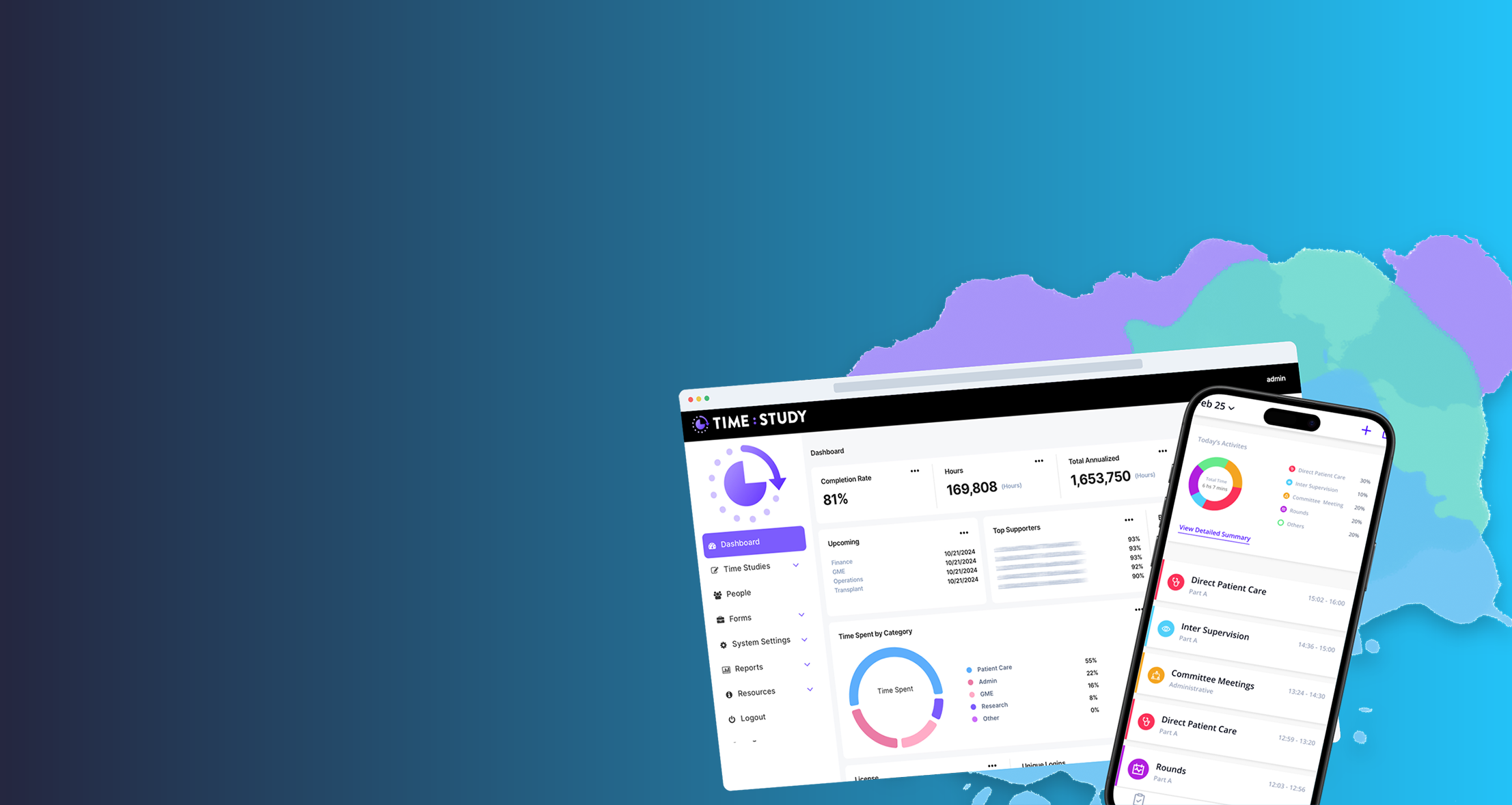

Still Collecting Time Study Data in Spreadsheets?
Financial Operations
Time study spreadsheets may look simple, but they can create costly gaps in reporting, reimbursement, and audit support.
19M+
hours studied
+128%
boost in participation rates
+2x-3x
capture of productive hours

Time Study for Finance Teams
What Your Current Process Is Actually Costing You
The costs that don't show up in your budget:
Reimbursement never recovered because cost allocation didn't reflect actual activity
Participation shortfalls that compromise data validity – and go unaddressed until it's too late
Staff hours spent on manual follow-up, data entry, and error correction
Reporting delays that compress cost report preparation timelines
Audit exposure carried as a structural condition of the program

Where the Hidden Costs Live
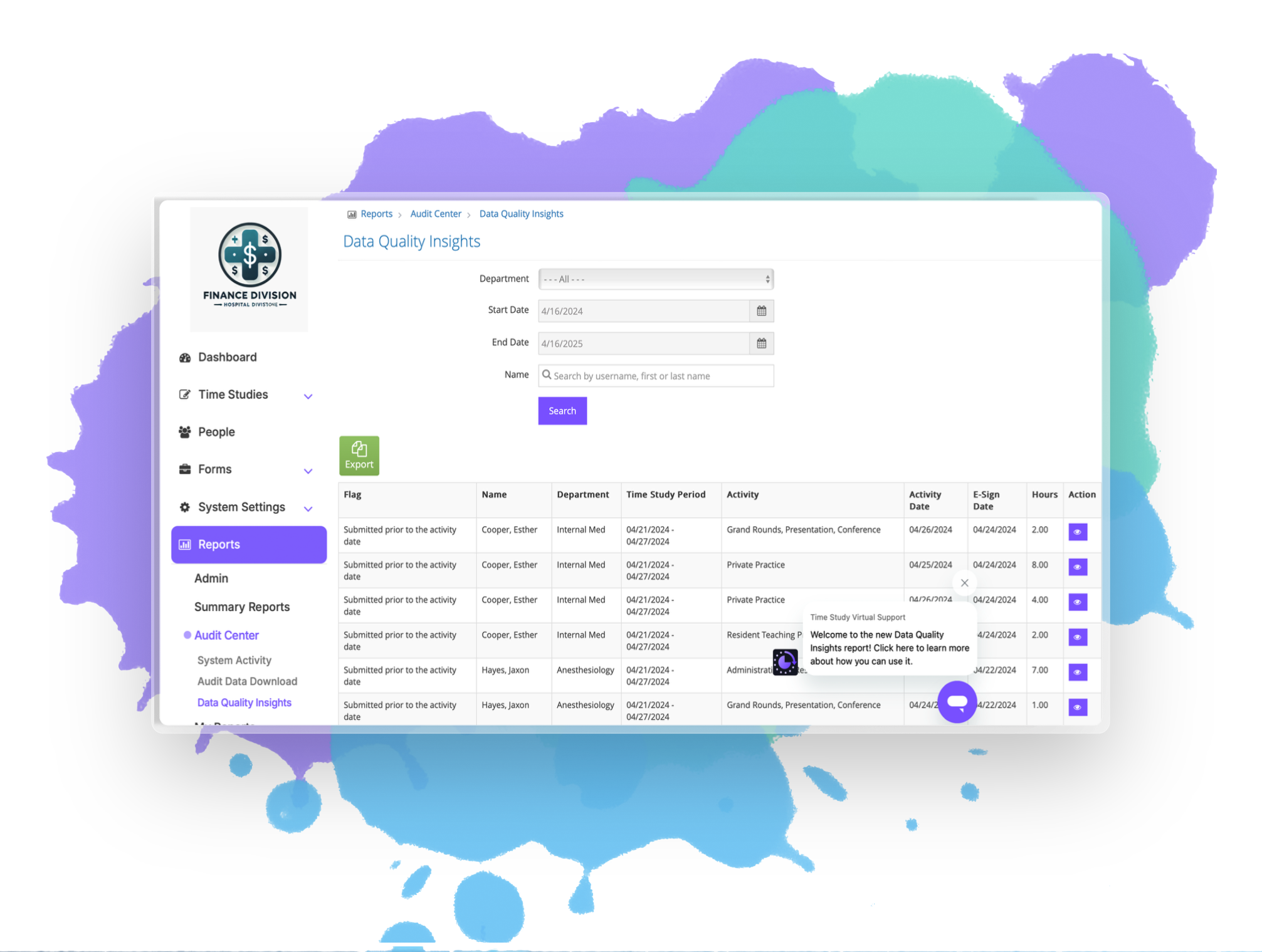
Audit Risk as a Carrying Cost
Documentation gaps and inconsistent methodology create ongoing audit exposure. The expected cost of that risk belongs in the calculation even when no audit materializes.
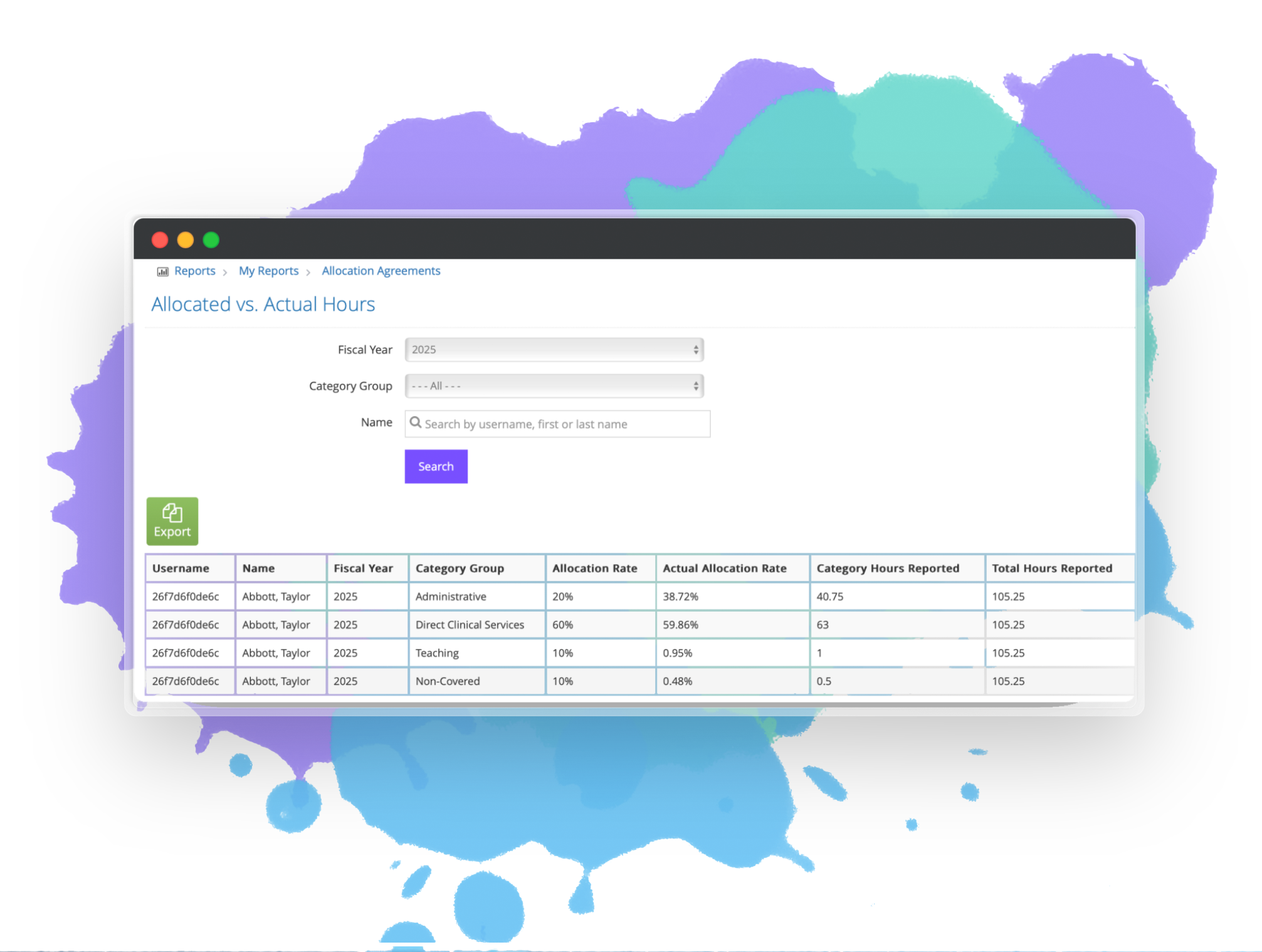
Low Consequences
Weak response rates force a choice between a statistically thin dataset, an extended study window, or expensive manual outreach. All three cost more than preventing the problem.
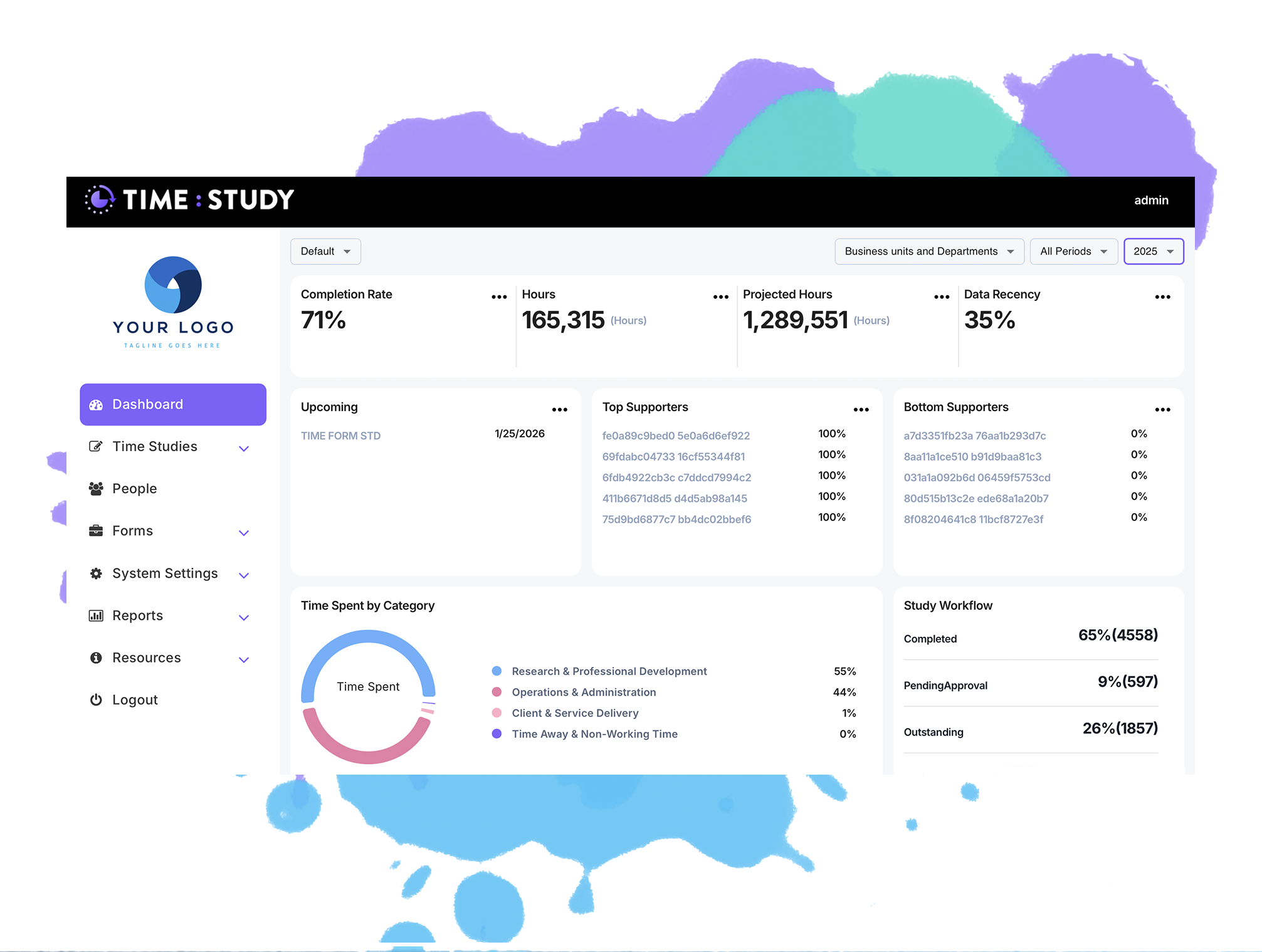
Delayed Reporting
Manual collection, validation, and aggregation take longer than they should – compressing decision windows and creating cost report risk at the back end of every cycle.
Missed Reimbursement
Incomplete participation and data entry errors produce cost allocation that doesn't fully reflect workforce activity – reducing recovery without triggering an alert.

Why It Matters
Why These Costs Stay Hidden – and Why That Changes
Costs are spread across finance, operations, department leaders, administrators, and participants, so no single team sees the full burden.
Missed reimbursement is difficult to measure because most teams never calculate what could have been recovered with better participation, cleaner data, or earlier visibility.
Spreadsheet-based processes feel familiar, which can make recurring issues like low response rates, manual cleanup, and reporting delays seem normal.
The risk compounds over time when each study cycle repeats the same follow-up, validation, documentation, and reporting challenges.
The ROI case is not just about the cost of a better system. It is about the true cost of continuing with the current process.
See How Top-Performing Hospitals Approach Time Studies.
Our benchmark report highlights the practices hospitals use to improve participation, reporting visibility, and time study performance.